18 min. read
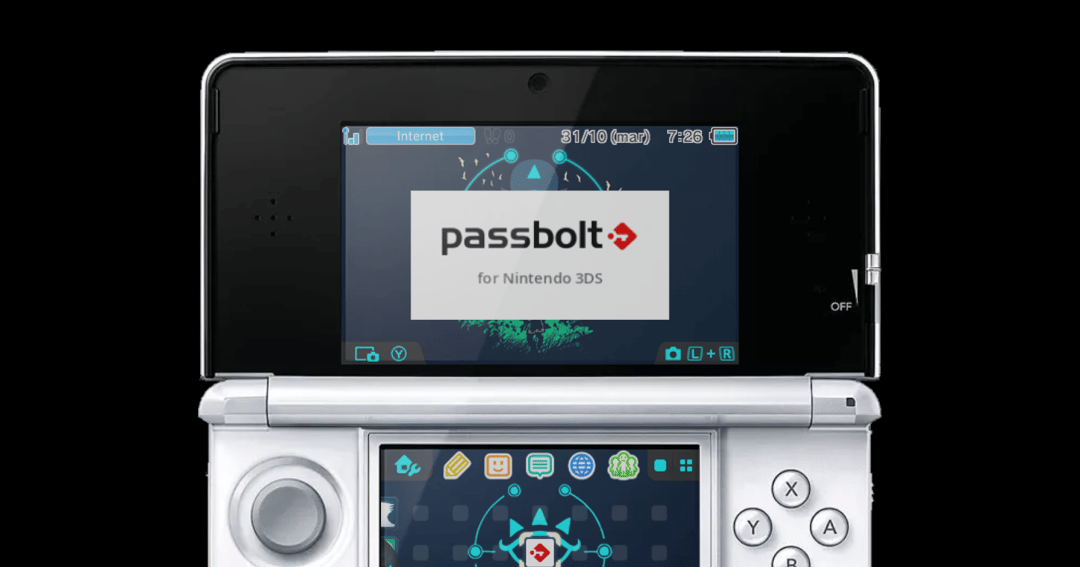
Running Passbolt on a Nintendo 3DS
Discover how Passbolt's Go SDK runs on a Nintendo 3DS using WebAssembly and C, with practical lessons for cross-language and cross-platform development.

Passbolt team
5 November, 2026
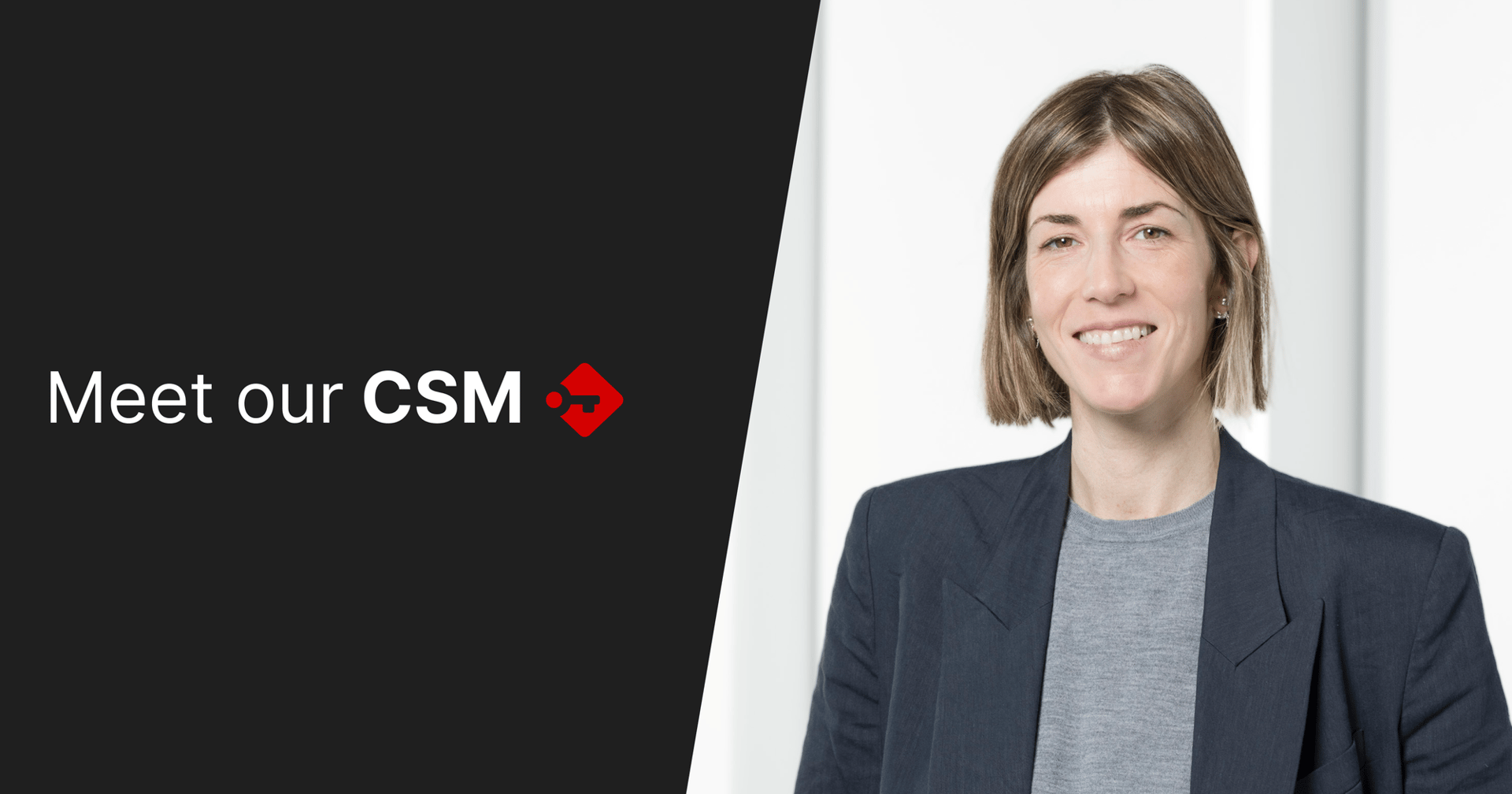
Customer Success sees a part of product adoption that rarely fits neatly into a support ticket or roadmap item: whether an organisation is actually set up to succeed with the product.
At Passbolt, Maria Merlan works across onboarding, customer feedback and the wider customer lifecycle. Her route there started somewhere quite different, with engineering, radio frequency, machine learning and research labs.
Maria grew up in Galicia, Spain, planning to become an architect. A talent for maths changed direction, leading to engineering, a PhD in radio frequency and machine learning, and five years in R&D.
She later moved into telecom, 5G, critical infrastructure and product management, trading controlled lab environments for a faster world shaped by products, business decisions and customers.
Those roles involved specialised, high-value products where every relationship mattered. Customer Success at Passbolt became a natural next step.
The common thread remained the same: understanding the product, understanding the customer, and connecting the two.
Some of the most important decisions happen before the first user signs in.
Customers who experience smoother Passbolt rollouts tend to establish ownership early: who manages Passbolt, how access should be structured, and how folders and permissions should work across the organisation.
As Maria puts it, “The technical setup is actually the easy part. The hard part is alignment within the organisation.”
“Spend an hour aligning with the IT lead before rollout. That conversation can prevent weeks of friction later”, Maria advises.
For enterprise deployments in particular, successful adoption is as much an organisational exercise as a technical one.
Maria approaches customer conversations like a feedback system. A request becomes more meaningful when it is connected to the customer, use case, sector, business impact and similar signals elsewhere.
That is the thinking behind the Voice of Customer process being developed at Passbolt.
“Several customers have asked for this” provides a signal. Knowing which customers are affected, how they use Passbolt and what the issue is preventing provides the evidence that can actually inform a decision.
Because one conversation can touch onboarding, documentation, Support, Product or the wider commercial relationship, Customer Success also helps carry that context across teams. Maria’s product management background makes that cross-functional perspective familiar.
The goal is structured context rather than a collection of comments, so useful feedback reaches the right part of the organisation with its meaning intact.
Account recovery is one of the topics Maria stresses early because losing access can quickly become a business continuity problem.
A forgotten passphrase, lost private key, damaged recovery kit or unexpected employee departure can block access to credentials a team depends on. With Passbolt’s end-to-end encryption model, recovery therefore needs to be planned before that happens.
Account Recovery is intentionally configured by the organisation. Recovery data remains encrypted, while the Organisation Recovery Key and authorised reviewers control how access is restored without bypassing encryption or giving Passbolt unilateral access to an account.
Maria’s advice is simple: configure recovery early, test the process, and make sure responsibility does not sit with one person. The worst time to discover a gap in the recovery process is when access has already been lost.
A bank, public organisation and engineering team may all use Passbolt, but their environments and priorities are not the same.
Passbolt already guides new customers through configuration and best practices with structured onboarding and documentation. As that experience evolves, Maria is looking at how sector, company size and use case can make the guidance more relevant.
The principle is: relevant information should arrive at the point where it is most useful. That moves onboarding from a fixed sequence towards a lifecycle that better reflects how different organisations actually adopt Passbolt.
Many Passbolt customers are highly independent and may have little reason to contact the company during normal use. A customer does not have to open a ticket for something to need attention. Customer Success looks for early signs that the experience may be drifting.
A high-severity support case can trigger a direct check-in. Repeated feedback can be grouped and tracked as a recurring need. A drop in loyalty survey sentiment can prompt a follow-up conversation. A change in the team managing Passbolt can trigger a review of ownership and handover.
The goal is to act on the right signal early, before a small issue becomes a larger one.
The person who introduced or managed Passbolt may change roles or leave the organisation. Without a proper handover, knowledge about configuration, ownership and internal decisions can leave with them, leaving the next administrator to inherit a setup they did not design or fully understand.
Customer Success can help reduce that risk by keeping key contacts and responsibilities current, including at renewal, and making sure ownership changes do not go unnoticed.
For enterprise deployments, continuity of ownership matters as much as configuration.
Open source creates an unusual customer journey.
Some commercial relationships begin with teams that have already used the Community Edition for years. They know the product, have built it into their workflows and may already be recommending it internally before the first commercial conversation happens.
Maria has also seen users promote Passbolt independently, from recommending it to peers to writing about their experience or presenting how they use it.
Organic advocacy like this is difficult to manufacture. It comes from people finding enough value in a product to talk about it without being asked.
Maria still occasionally contributes to technical evaluations connected to radio frequency and telecom work.
“The scientific fingerprint never fully washes off.”
Outside work, tennis and hiking currently take more of the available time, although a long-standing interest in cinema still includes everything from European experimental films to Korean cinema and silent movies.
The personality trait that carries most clearly into Customer Success is resilience, mixed with what Maria calls stubborn optimism.
Even in a difficult customer situation, there is usually something useful that can still be done. That mindset shapes the follow-through as much as the initial conversation.
Customers can tell the difference between a procedural follow-up and genuine effort to move something forward!
Customer Success covers moments that can look separate from the outside: rollout, onboarding, feedback, organisational change and long-term adoption.
The value comes from seeing them as part of the same journey.
For Passbolt, that means learning from how organisations actually use the product, bringing the right insight back into the business, and helping customers stay on solid ground as their needs evolve.
18 min. read
Discover how Passbolt's Go SDK runs on a Nintendo 3DS using WebAssembly and C, with practical lessons for cross-language and cross-platform development.
Passbolt team
5 November, 2026

2 min. read
Passbolt Community Edition is being deprecated on the DigitalOcean Marketplace from 1 December 2026. Learn what this means for existing instances and how to continue updating or migrate to a new server.

Antony Bartolomucci
3 November, 2026

 Made in Europe. Privacy by default.